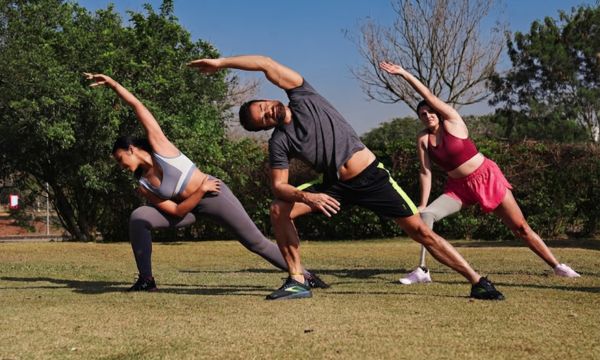
Taking care of yourself with safe exercises during pregnancy makes all the difference in your journey.
Ad
Taking care of your body during pregnancy is more important than ever, and safe exercises during pregnancy can be great allies in this very special moment.
But take it easy… this doesn’t mean doing any activity without guidance or planning.
Each stage of pregnancy requires attention, respect for your body, and above all, medical follow-up from the beginning.

When done correctly, safe exercises during pregnancy bring lightness, well being, and help you experience this phase with more safety.
Is it Worth Exercising During Pregnancy? Understand Why
Yes, it is definitely worth it to invest in safe exercises during pregnancy, as long as everything is done with care and proper guidance.
Keeping your body moving helps to improve circulation, reduce swelling, and relieve common discomforts throughout pregnancy.
In addition, regular practice contributes to more restful and peaceful sleep and more energy in daily life.
Many women also notice improvement in back pain and in the feeling of constant fatigue.
Another important benefit is emotional, as exercise promotes a greater sense of balance and well being.
Exercises Recommended in Each Trimester of Pregnancy
Safe exercises during pregnancy need to follow the changes in your body throughout each stage.
This is because pregnancy is not static, and what works at the beginning may not be ideal later on.
That’s why understanding each trimester helps you move with more safety and confidence.
First Trimester
At the beginning of pregnancy, the body is still going through many internal adaptations.
It is common to feel more tired, experience nausea, and even lack energy on some days.
For this reason, the ideal is to focus on light, low impact movements, fully respecting your pace.
Short walks and gentle activities help keep the body active without overloading it.
Here, the most important thing is body adaptation, not exercise intensity.
Second Trimester
This phase is usually more comfortable for many women, with more energy in daily life.
It is a good time to maintain a more consistent routine of safe exercises during pregnancy.
You can include light strengthening exercises and stretching more frequently.
Activities like pilates and walking continue to be great options.
The focus here is to keep the body active with safety and consistency, without overdoing it.
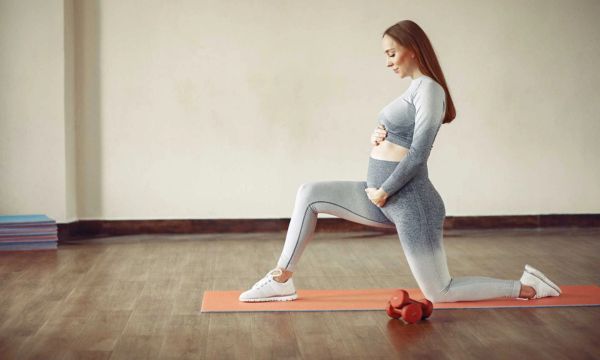
Third Trimester
In the final trimester, the body is already more overloaded and needs even more care.
The goal becomes comfort, mobility, and preparation for childbirth.
Gentle and controlled movements help relieve tension and improve well being.
Light stretching and walking continue to be good choices.
Here, the essential thing is to prioritize comfort and safety, always respecting your limits.
Safe Stretches for Everyday Life
Stretching is a light and effective way to include safe exercises during pregnancy in your daily routine.
It helps to relieve tension, improve posture, and bring more comfort throughout the day.
During pregnancy, areas such as the back, legs, and hips tend to become more overloaded.
For this reason, stretching these areas can bring an almost immediate sense of relief and relaxation.
The ideal is to perform gentle movements, respecting your body’s limits at each stage.
Avoid forcing positions or trying to push beyond what your body allows at that moment.
Whenever possible, rely on guidance from a professional to ensure safety.
Important care Before and During Exercise
Before starting any practice, the first step is to make sure everything is fine with you and your baby.
That’s why a prior medical evaluation is essential to begin safely.
In addition, during safe exercises during pregnancy, some precautions make all the difference:
- Staying hydrated helps the body function better and prevents discomfort.
- Wearing comfortable clothing makes movement easier and improves the experience.
- Avoiding very hot environments is also important to maintain the body’s balance.
- Taking breaks during exercise also helps prevent overload.
- Respecting your own pace, without comparing yourself to others.
Remember, the focus here is not performance, but well being and safety.
Taking these precautions into account makes the practice lighter, safer, and much more enjoyable.

Warning Signs: When to Stop Immediately
During safe exercises during pregnancy, it is essential to pay attention to the signals your body gives.
If dizziness, intense shortness of breath, or any unusual sensation appears, the ideal is to stop immediately.
Strong pain or a feeling of weakness are also important warning signs. In these cases, do not try to push through or ignore what you are feeling.
The safest option is to stop and seek medical guidance as soon as possible.
Your body always gives signals, and learning to listen is a form of care. Respecting these limits ensures more safety for you and your baby.
Always remember: safety comes first.
What to Avoid: Exercises not Recommended During Pregnancy
Not every exercise is recommended during pregnancy, and understanding this is essential to maintain safety.
Some activities can bring unnecessary risks, so it is important to know exactly what to avoid during this period.
See what should be avoided during pregnancy:
- High impact activities, which can cause discomfort and increase the risk of injuries.
- Movements with intense abdominal effort, which are not recommended during pregnancy.
- Positions that compress the belly, causing discomfort and possible complications.
- Exercises that make breathing difficult, compromising well being during practice.
The idea here is not to limit, but to protect your body during this delicate moment.
With proper guidance, everything becomes lighter, calmer, and safer.
How to Build a Safe and Light Routine
Creating a routine of safe exercises during pregnancy does not need to be complicated or exhausting.
The ideal is to start with a few minutes per day and gradually increase as your body adapts.
Choosing times when you feel more energized helps maintain consistency and makes the process lighter in daily life.
Alternating between walking, stretching, and light movements can be a great combination, keeping the practice balanced and comfortable.
More important than intensity is maintaining consistency, because small daily practices already bring real benefits over time.
And never forget: keeping follow-up with a health professional is essential, since this moment is about care and well being, not performance.