Find out how and where to watch FIFA World Cup 2026 live.
Ad
Knowing where to watch makes following every match easier and more enjoyable.
👉 This content is informational and works as a support guide. Live broadcasts happen exclusively through official platforms.

Where to Watch the FIFA World Cup 2026 Live via Streaming
Let’s be direct about the options: no one watches the World Cup “by accident”.
Today, following the FIFA World Cup 2026 live means knowing which platform works in your country.
Broadcasting rights are regional. That means the match is the same, but the app changes depending on where you are.
In the North America and fans mainly watch through:
- FOX Sports App
- Peacock
- FuboTV
- YouTube TV
- TUDN App
- ViX
- CTV App
In Europe, matches are shown on public and digital platforms such as:
- BBC iPlayer (United Kingdom)
- ITVX (United Kingdom)
- ARD Mediathek (Germany)
For viewers in Africa:
- SuperSport App (Sub-Saharan Africa)
- beIN Connect (North Africa)
In Asia and the Middle East, in selected markets:
- Disney+ Hotstar
- beIN Connect
In Oceania:
- SBS On Demand (Australia)
And anywhere in the world, FIFA+ works as a global complementary platform, bringing behind the scenes content, news, alerts, and official materials.
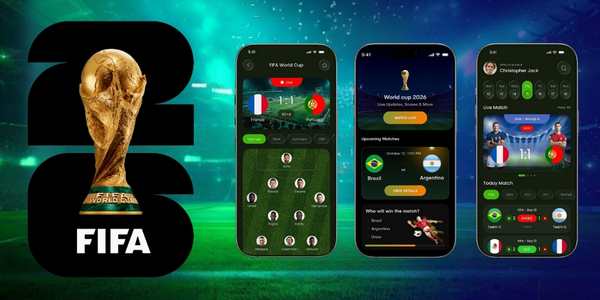
In short: knowing where to watch isn’t complicated, it’s just aligning your region with the right app.
Countries in the Opening Phase and Group Composition
This is where the World Cup really starts to take shape.
The FIFA World Cup 2026 features 48 national teams, divided into 12 groups, and each group already has its own vibe.
Group A
- Mexico, South Korea, South Africa and Czechia.
Group B
- Canada, Switzerland, Qatar and Bosnia and Herzegovina.
Group C
- Brazil, Morocco, Haiti, and Scotland.
Group D
- The United States, Australia, Paraguay and Turkiye.
Group E
- Germany, Ecuador, Ivory Coast, and Curaçao.
Group F
- The Netherlands, Japan, Tunisia and Sweden.
Group G
- Belgium, Iran, Egypt, and New Zealand.
Group H
- Spain, Uruguay, Saudi Arabia, and Cape Verde.
Group I
- France, Senegal, Norway and Iraq.
Group J
- Argentina, Austria, Algeria, and Jordan.
Group K
- Portugal, Colombia, Uzbekistan and Congo DR.
Group L
- England, Croatia, Ghana, and Panama.

How the Tournament Calendar Works
The FIFA World Cup 2026 kicks off on June 11, 2026, and runs until July 19, 2026, with matches happening almost every day.
The group stage fills the first weeks and already carries huge weight. There are few matches, little room for error, and heavy pressure from the start.
After that, the tournament moves straight into the knockout stage, starting with 32 teams.
From there on, every match is a decision. There’s no managing results for long.
The calendar was designed to keep the pace high and fans constantly engaged.
Distribution of Matches Across Host Cities
The FIFA World Cup 2026 will spread across three countries, the United States, Mexico, and Canada, using no fewer than 16 host cities across the continent.
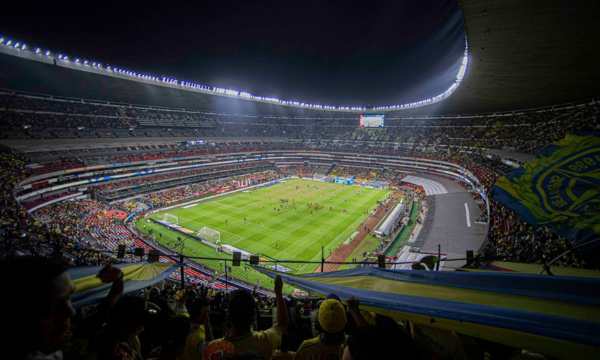
The opening match takes place at the legendary Estadio Azteca in Mexico City, a venue steeped in history and iconic football moments.
The final will be played at the imposing MetLife Stadium in New York/New Jersey.
Between the opening and the final, many other stadiums come into play and help shape the unique atmosphere of this World Cup:
- Mercedes-Benz Stadium (Atlanta)
- SoFi Stadium (Los Angeles)
- Hard Rock Stadium (Miami)
- AT&T Stadium (Dallas)
- Lumen Field (Seattle)
- BC Place (Vancouver)
- BMO Field (Toronto)
Each city brings a different vibe, directly influencing the match experience.
Tips to avoid Missing Important Matches
With a packed schedule and games happening at different times, a bit of organization goes a long way toward enjoying the FIFA World Cup 2026 without stress or frustration.
Small routine tweaks already help a lot.
- Activate match alerts on official apps so you’re not caught off guard.
- Always check time zones, since games take place in different cities.
- Decide which matches are priority so you don’t try to watch everything at once.
- Use your phone or smart TV as support to watch even when you’re away from home.
- Take advantage of replays and highlights when you can’t watch live.
You won’t always be able to watch every match, and that’s fine.
Choosing wisely makes each game more special and turns the FIFA World Cup 2026 into a much more enjoyable experience.
General Expectations for the 2026 Edition
The FIFA World Cup 2026 arrives with the feeling of something truly out of the ordinary.
It’s not just a bigger edition, it’s a World Cup designed to be felt differently, more intensely and more present in everyday life.
With 48 teams in action, the tournament brings new faces, varied styles, and stories that used to stay off the main stage.
The 104 matches spread across the calendar keep the rhythm fast, with football almost every day and few breaks to breathe.
Choosing three host countries places matches in different environments, fan cultures, and atmospheres, creating a unique feel at every stage.
And the expanded format is the final ingredient: more decisive games earlier and a constant sense that every round matters.
All of this creates a World Cup that’s more alive, unpredictable, and present in daily life. For those following closely, it’s a chance to live weeks of football with real intensity.
And if you’ve made it this far, you’ve already taken the right first step: clear information makes the FIFA World Cup 2026 easier to follow and far more enjoyable to experience.